Best Ecommerce SEO: A Guide for Shopify Stores (2026)

Most advice on best ecommerce seo is stuck at the front of the funnel. It treats SEO like a traffic acquisition problem, when the actual job is bigger than that. You’re not just trying to rank a category page, win a first click, and collect a sale. You’re trying to build a store that customers search for again by name, trust after purchase, and return to without needing paid media to drag them back.
That shift matters most on Shopify, where growth often breaks at the operational seams. Stores obsess over collection page copy, then ignore order status pages, self-service help content, multilingual post-purchase UX, and the pages customers do revisit. That’s a missed opportunity. Some of the strongest SEO signals come from reducing friction across the whole customer journey, not just the product discovery step.
Rethinking Ecommerce SEO Beyond the Cart
Organic search still deserves the center of the strategy. It drives 43% of all eCommerce website traffic, 23.6% of orders, and delivers a 320% average ROI according to Reboot’s ecommerce SEO statistics. That’s why SEO remains the most durable acquisition channel for Shopify brands that want scale without matching growth in ad spend.
But the common playbook is too narrow. It says: do keyword research, optimize titles, write product descriptions, publish blog posts. That’s all useful. It’s also incomplete.
The stores that pull away usually think in stages:
- Discovery through category pages, product pages, and informational content
- Consideration through comparison content, reviews, FAQs, and trust elements
- Conversion through fast pages, clear offers, and clean merchandising
- Post-purchase through order help, tracking, edits, product education, and re-engagement
That last stage gets ignored in most “best ecommerce seo” advice. It shouldn’t. Post-purchase pages attract repeat visits, answer high-intent questions, and strengthen brand trust. They also create opportunities for long-tail search coverage that competitors usually leave untouched.
If you want a good external benchmark for the standard playbook before expanding beyond it, Rebus has a solid roundup of ecommerce SEO best practices. The important move is not stopping there. Shopify SEO works best when every touchpoint, including what happens after checkout, supports search visibility and revenue.
The strongest SEO programs don’t stop at getting the sale. They make the entire buying experience easier to find, easier to use, and easier to trust.
Build Your Foundation Technical SEO and Site Architecture
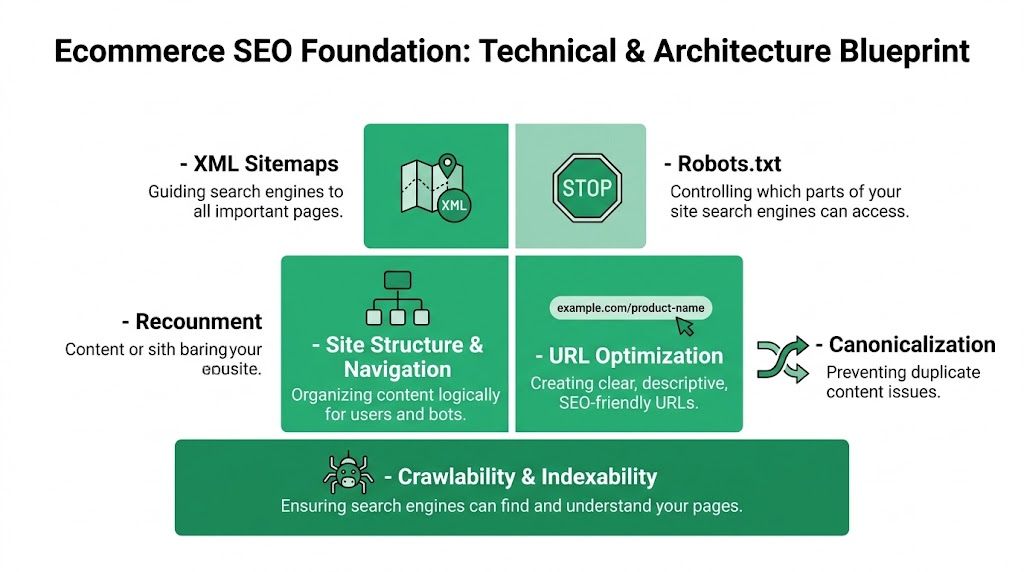
Technical SEO isn’t glamorous, but weak architecture limits everything else. If Google struggles to crawl the store, or users hit dead ends in navigation, your content quality won’t save you.
Start with crawlability and index control
Shopify gives you a decent starting point. It generates XML sitemaps automatically, handles a lot of standard canonical behavior, and gives merchants a predictable URL structure. That helps, but it doesn’t mean the store is technically sound by default.
The first audit points are simple:
- Check indexable pages. Product pages, collection pages, core content pages, and high-value blog content should be indexable.
- Check pages that shouldn’t compete in search. Internal search results, thin utility pages, and duplicate filtered URLs often create noise.
- Review robots behavior. Don’t assume the default setup aligns with your merchandising structure or content strategy.
- Inspect broken pathways. Search engines and customers both hit internal links. If those links fail, the store leaks authority and trust.
A practical rule is to think like a crawler, not just a merchandiser. If a product matters, there should be a clean path to it through navigation, internal links, and the sitemap.
Build a store hierarchy humans can understand
Best ecommerce seo usually improves when navigation gets simpler, not more elaborate. Too many Shopify stores bury products under clever category names, mega menus with inconsistent labels, or seasonal structures that change too often.
A better model looks like this:
| Layer | What it should do |
|---|---|
| Top navigation | Expose your core buying paths in plain language |
| Collections | Group products by how customers shop, not by internal team jargon |
| Products | Sit inside a logical parent collection and link back to it |
| Support content | Answer pre-sale and post-sale questions without creating clutter |
If a shopper can’t predict where they’ll land after clicking a menu item, the structure needs work.
One useful principle is to integrate website development SEO from day one. That matters even more on Shopify, because theme decisions, app choices, and template logic all affect crawl paths, internal linking, and page bloat later.
Clean up Shopify duplicate content risks
Shopify has a few recurring SEO issues that merchants run into:
- Collection-based product URLs can create multiple paths to the same product.
- Tag-generated archives often produce thin or low-value pages.
- Variant handling can create duplicate or near-duplicate experiences if implemented poorly.
- Search and filter states can explode URL combinations.
Canonical tags help, but they’re not a substitute for discipline. Don’t create indexable pages just because an app or theme makes them easy to generate.
Practical rule: Every indexable URL should have a reason to exist. If a page doesn’t target a distinct intent, don’t ask Google to rank it.
Strengthen internal linking where it matters
Internal links shouldn’t be random. Use them to reinforce your commercial priorities.
Good internal linking patterns include:
- From collections to top-selling products
- From products to relevant guides or FAQs
- From blog content to collections and products
- From support content to related policies or how-to pages
Weak patterns include sitewide footer spam, excessive related products modules, and linking that exists only because an app inserted it.
Technical SEO on Shopify is mostly restraint. Fewer duplicate URLs, cleaner paths, fewer dead ends, and a structure that reflects how people shop. That foundation gives every later SEO decision a better chance to work.
Optimize Product and Category Pages That Convert
A lot of stores “optimize” product pages by stuffing keywords into copy no one wants to read. That usually produces weak rankings and weaker conversion rates. The pages that win do two jobs at once. They satisfy search intent, and they remove buying hesitation.
Write for intent, not just terms
Category pages should target broad commercial intent. Product pages should target specific purchase intent. That sounds obvious, but many Shopify stores blur the two.
A category page needs clear merchandising language, useful copy near the top, and enough supporting text lower on the page to explain who the collection is for, what makes the assortment distinct, and how to choose. A product page should focus on the item itself, not repeat generic category language.
For both page types, get these basics right:
- Title tags should be specific and commercially aligned
- Meta descriptions should sell the click, not repeat the title
- Headings should help users scan the page
- Body copy should answer the questions a serious buyer has before checkout
Product descriptions need to reduce doubt
Thin supplier copy doesn’t help. Neither does rewriting the supplier copy with a few synonyms.
Strong product copy usually covers:
- Core benefit. What problem does this item solve?
- Decision details. Sizing, materials, compatibility, care, or fit
- Use case. When should someone choose this version over another?
- Risk reducers. Shipping expectations, returns context, support information, or setup notes
That’s where conversion-focused SEO beats keyword-first SEO. The page earns rankings because it’s useful, and it converts because it anticipates objections.
For a practical Shopify-specific breakdown, this guide on Shopify product page optimization is worth reviewing.
Media matters more than most merchants admit
On-page SEO isn’t just text. Search visibility and conversion performance both suffer when product media is weak.
Use media to answer questions that copy can’t resolve quickly:
- Image sets should show scale, detail, texture, and use context
- Alt text should describe the image accurately, not jam in keywords
- Video should demonstrate the product in a real scenario
- Variant imagery should update cleanly and match the selected option
If a shopper has to imagine what the product looks like in normal use, the page is underbuilt.
Category pages should guide buying, not just list SKUs
Many collection pages are just product grids with a heading. That leaves ranking potential and revenue on the table.
A stronger category page includes:
- A short intro that explains the collection clearly
- Smart filters that help users narrow options without confusion
- Merchandising blocks for featured products or subtypes
- Supporting copy lower on the page that addresses questions and related terms
That lower section is where stores often overdo it. Don’t dump a wall of SEO text under the grid. Write concise guidance that helps shoppers choose. Good category content improves relevance without looking like it was written for a crawler.
If your product and collection pages rank but don’t convert, they’re not optimized. They’re just visible.
Reviews and user-generated content pull double duty
Reviews help in two ways. They increase trust, and they keep pages fresh with language real customers use. That often surfaces the exact phrasing prospective buyers search for.
User-generated content is also useful when it’s selective. Don’t turn the product page into a cluttered scrapbook. Feature the content that resolves uncertainty. Fit photos, usage photos, and concise review excerpts often do more than another block of polished brand copy.
The best ecommerce seo on product and category pages is rarely about writing more. It’s about making the page more useful, more scannable, and easier to buy from.
Master Site Performance with Mobile and Core Web Vitals
Speed problems on Shopify are often self-inflicted. Merchants install too many apps, upload oversized hero images, run bloated themes, and then wonder why rankings stall and conversions lag.
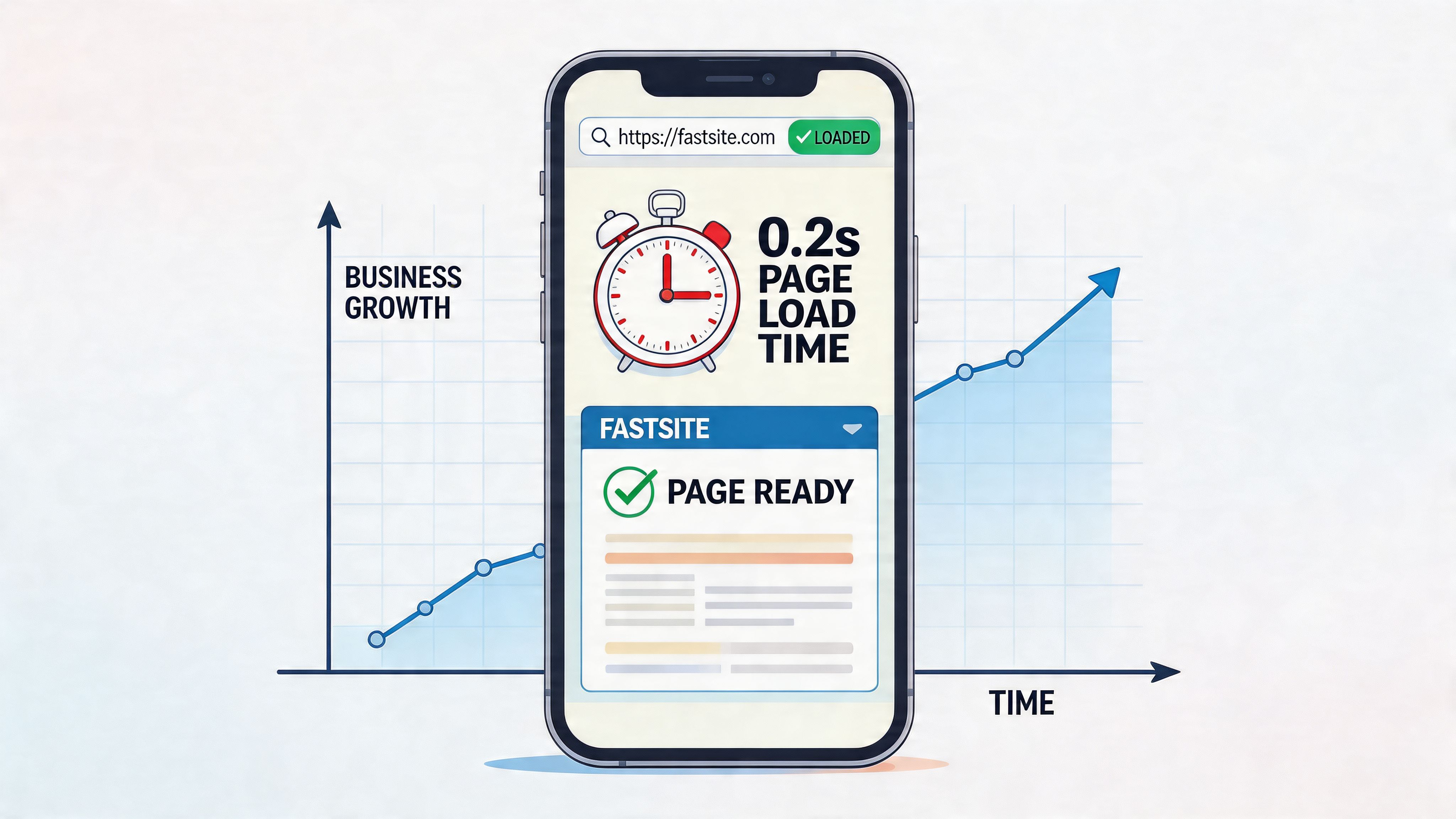
Google’s Core Web Vitals give you a practical framework for fixing that. The main metrics are LCP for loading, INP for responsiveness, and CLS for visual stability. According to Charle’s technical SEO guidance for ecommerce, improving mobile site speed by 0.1 seconds can boost retail conversions by 8.4%, and sites that meet Google’s Core Web Vitals thresholds can see conversion lifts of 15-30%.
What these metrics look like on a Shopify store
Think of LCP as the moment your most important above-the-fold content appears. On a product page, that’s often the hero image or product title area. If that loads late, the store feels slow even if smaller assets are already on screen.
INP reflects how quickly the store responds when someone taps a variant selector, opens the cart, or interacts with a menu. If the page hesitates, users feel it immediately.
CLS is the layout jump problem. A banner loads late, a review widget pushes the buy box down, or an app inserts content after the page starts rendering. On mobile, that’s especially frustrating because it causes misclicks.
What usually works
The fastest wins are rarely exotic. They’re operational.
- Choose a lean theme. A flashy theme with too many built-in effects usually costs more than it gives back.
- Compress and size images properly. Huge homepage visuals are one of the most common LCP killers.
- Remove app bloat. If an app adds scripts to every page but only matters on one template, it’s a tax on performance.
- Delay non-critical scripts where possible.
- Audit third-party widgets. Reviews, upsells, chat, heatmaps, and popups often stack into a performance problem.
For merchants who need a more tactical checklist, this guide on speeding up your Shopify store and improving conversion rates is a solid next step.
What doesn’t work
Chasing a perfect performance score while ignoring revenue-critical functionality is the wrong trade-off. Some tools earn their weight. Others don’t.
Use this lens:
| Keep | Question |
|---|---|
| Revenue-driving features | Does it help merchandising, conversion, or retention enough to justify its load cost? |
| Support-critical tools | Does it reduce friction for customers in a meaningful way? |
| Cosmetic extras | Would anyone miss it if you removed it tomorrow? |
Fast stores don’t win because they’re technically elegant. They win because shoppers can act without waiting, guessing, or fighting the interface.
The best ecommerce seo on Shopify now includes performance discipline. You’re not optimizing for a Lighthouse screenshot. You’re protecting rankings and revenue at the same time.
Fuel Growth with an Advanced Content and Link Strategy
Most ecommerce content strategies are too shallow. They publish a few buying guides, a few trend posts, and then run out of useful ideas. That approach rarely builds topical authority, and it almost never captures the post-purchase searches customers make after the order.
A better model is to build content clusters around the full customer journey.
According to Shawn the SEO Geek’s ecommerce SEO strategies, a mid-size retailer grew organic visits 53% by targeting 110 Shopify-optimized long-tail keywords. That’s the part many merchants understand. The more overlooked point is that most SEO guides still ignore post-purchase pages and app integrations as search assets.
Build topic clusters that support buying and ownership
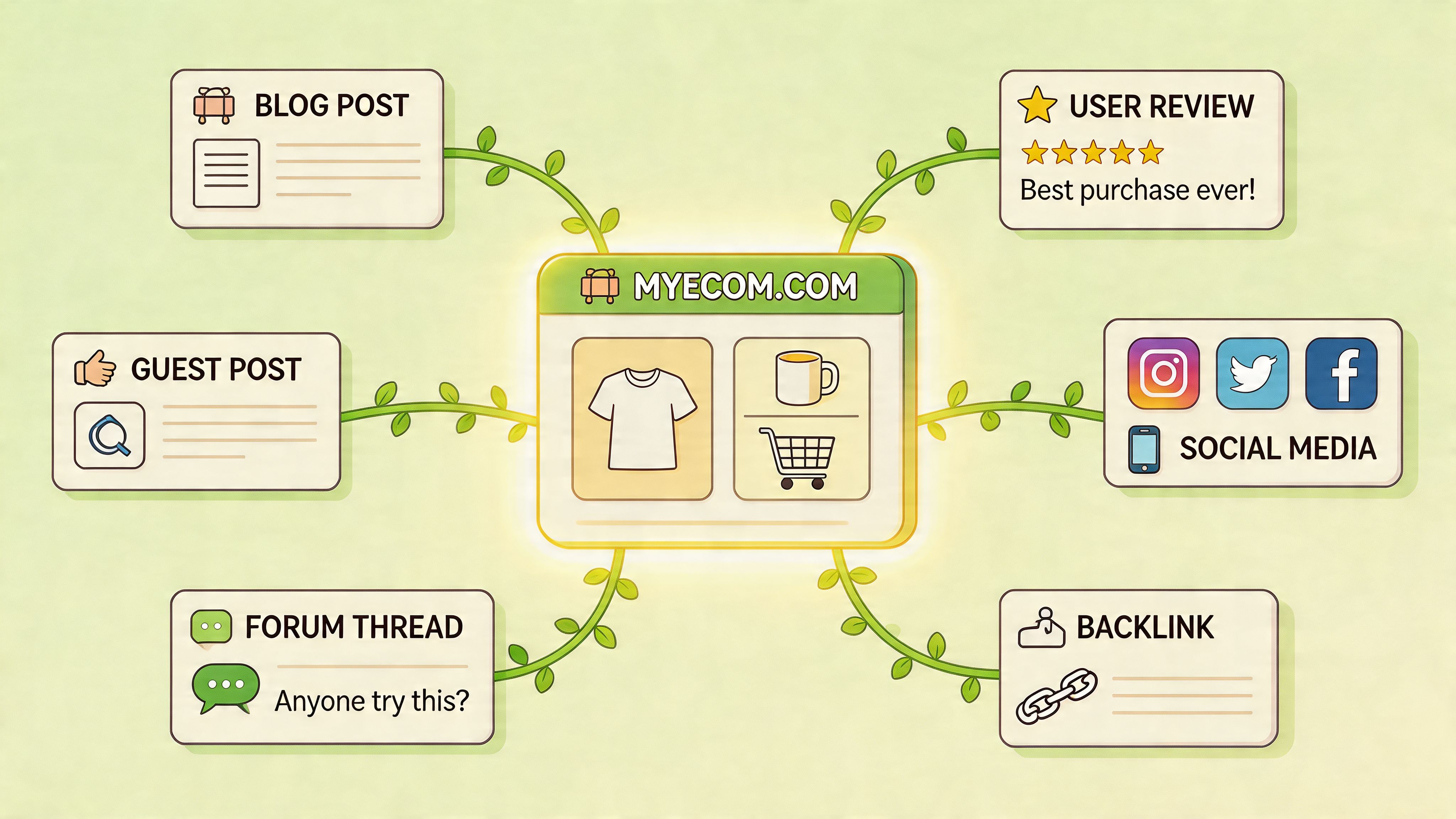
A cluster works best when one pillar page owns the broad topic and supporting pages answer narrower questions. On Shopify, that often means connecting commercial pages with educational and support-oriented content.
A simple pattern looks like this:
- Pillar page around a core buying category
- Supporting guides for product selection, compatibility, use cases, and care
- FAQ content covering shipping, sizing, returns, setup, and common post-purchase issues
- Help content that answers specific order-management questions customers search
The advantage is coverage. You stop relying on a few head terms and start earning visibility across the questions buyers ask before and after checkout.
Post-purchase content is a real SEO asset
Many Shopify brands leave value untouched. Help center content, order-edit guidance, shipping clarification pages, and product care instructions all map to real search intent.
Good examples include pages or articles around:
- Changing shipping details after purchase
- Updating contact information on an order
- Tracking shipments across borders
- Understanding delivery exceptions
- Using, assembling, cleaning, or maintaining a product
Those topics aren’t glamorous. They’re useful. Useful content often wins.
Support content isn’t separate from SEO. If customers search for it, and your store can answer it better than a forum thread, it belongs in the strategy.
Link building should follow relevance, not volume
Ecommerce link building gets messy when brands chase quantity. Low-quality directory links, recycled guest posts, and paid placements on weak sites don’t build durable authority.
The links that tend to matter come from relevance and actual editorial value:
- Product inclusion in legitimate gift guides or category roundups
- Expert commentary or founder insights in industry publications
- Useful original resources that niche sites want to reference
- Partnerships with creators or brands that produce linkable content
That’s slower than buying placements. It also holds up better.
Content operations matter more than content ambition
Many teams don’t fail because they lack ideas. They fail because they can’t maintain quality across a growing catalog and support center. Keep the workflow tight.
A practical operating model:
| Content type | Primary purpose |
|---|---|
| Collection support copy | Improve relevance and category understanding |
| Blog and guides | Expand long-tail coverage and authority |
| Help center articles | Capture support intent and reduce confusion |
| Post-purchase pages | Strengthen trust, repeat engagement, and brand searches |
The best ecommerce seo content strategy isn’t just “publish more.” It’s publish what customers need at each stage, then connect those assets with clean internal links and credible external references.
Expand Globally with International and Multilingual SEO
International SEO on Shopify gets complicated fast, not because the platform can’t support it, but because many stores treat translation as strategy. It isn’t. Translating a product page is only one layer. You also need the right market structure, the right targeting signals, and a post-purchase experience that feels native in each region.
Get the technical targeting right
For global stores, Shopify Markets can help organize country-specific experiences. The key discipline is making sure each version of the site signals its audience clearly.
That usually means paying attention to:
- Localized URLs that distinguish market versions cleanly
- Hreflang implementation so search engines understand language and region targeting
- Localized metadata and copy instead of copy-paste translations
- Country-specific shipping, currency, and policy information so the page matches user expectations
Without those basics, global SEO often creates duplicate content problems or mismatched search visibility.
Localize post-purchase experiences too
International stores can create an advantage most competitors ignore. Order status pages, delivery help content, address guidance, and support workflows often get left in one language or one default experience. That weakens both usability and discoverability.
According to Zest Logic’s analysis of underrated ecommerce channels, high-engagement post-purchase pages are an untapped SEO asset, and adding customer reviews with schema markup to order status pages can boost CTR by 15-20% through SERP stars. The bigger idea is that these pages deserve the same localization discipline as pre-purchase pages.
If you’re expanding internationally on Shopify, this guide on selling internationally on Shopify without breaking the bank covers the operational side well.
What strong international SEO looks like in practice
A store doing this well usually has:
- Product and collection pages localized for language and buying context
- Help content that reflects local delivery expectations
- Order support pages that don’t force customers back to the default market
- Region-specific internal linking between commercial and support content
That last point matters. International SEO isn’t just a translation task handed to an app. It’s a content architecture task.
A multilingual storefront with a single-language post-purchase experience feels unfinished. Search engines may still crawl it, but customers won’t trust it the same way.
Avoid the usual mistakes
The common failures are familiar:
| Mistake | Why it hurts |
|---|---|
| Machine-only translation with no review | Produces awkward copy and weak intent matching |
| Same content for every market | Ignores regional search behavior and buying context |
| Local storefront, generic support | Creates friction after the sale |
| No hreflang governance | Confuses search engines about which version to rank |
International best ecommerce seo is really about consistency. The market-specific promise made on the product page has to continue through shipping, support, and post-purchase communication.
Increase SERP Visibility with Schema and Structured Data
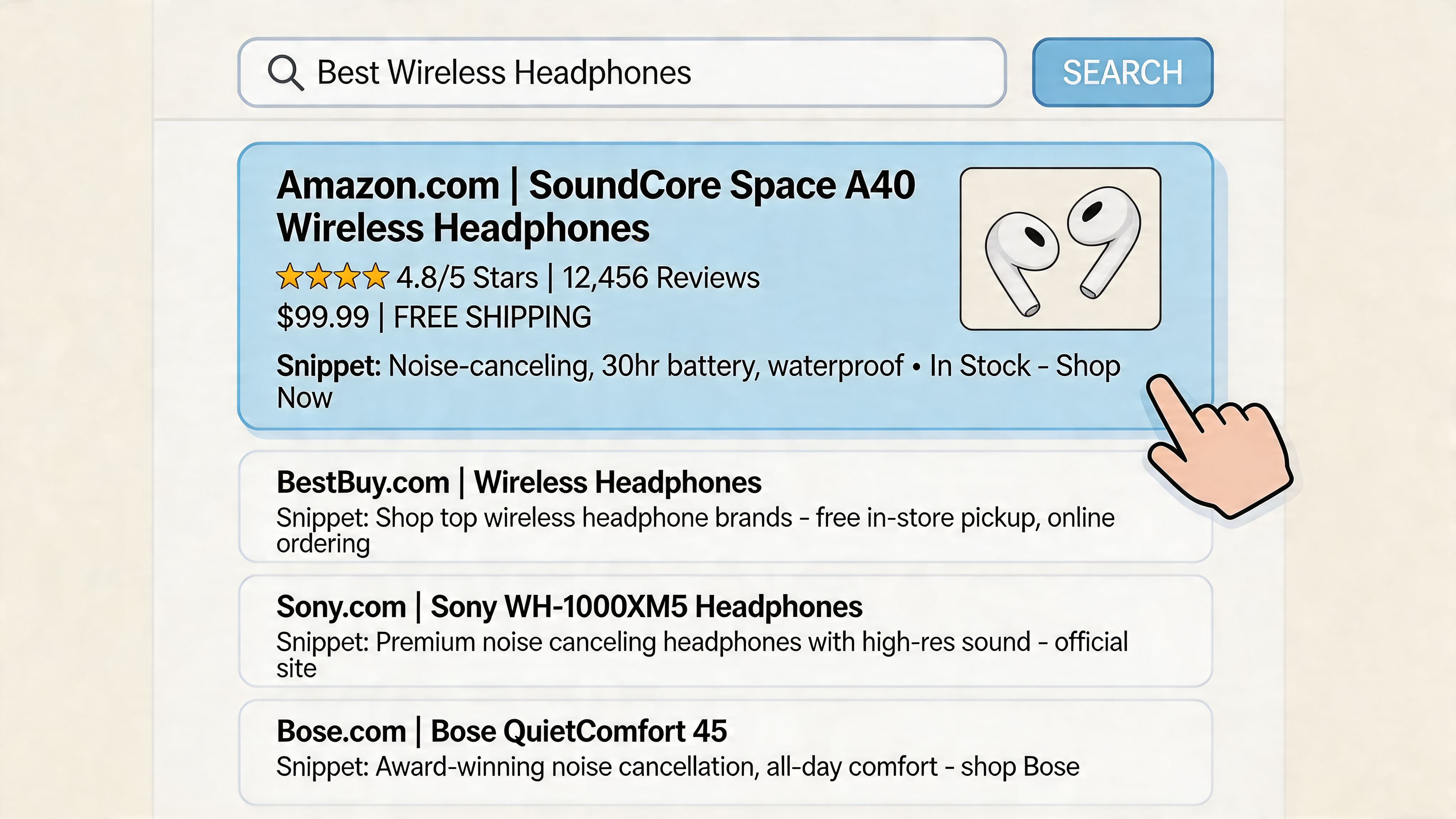
Schema helps search engines interpret what’s on the page and, when implemented correctly, can improve how your listings appear in search. It doesn’t replace strong content or technical SEO. It makes good pages easier to understand and easier to click.
The schema types that matter most for Shopify stores
For most ecommerce brands, the priority set is straightforward:
- Product schema for product details such as name, image, description, and availability
- Review schema when review content is present and eligible
- FAQPage schema for tightly written question-and-answer sections where appropriate
- Breadcrumb schema to reinforce site hierarchy
You don’t need to mark up everything. You need to mark up the things that help search engines understand your most valuable pages.
A simple Product schema example
Many Shopify themes and apps handle some schema automatically, but merchants should still validate what’s output on the page.
A basic JSON-LD example for a product can look like this:
{"@context": "https://schema.org/","@type": "Product","name": "Trail Running Jacket","image": ["https://example.com/images/trail-running-jacket.jpg"],"description": "Lightweight running jacket designed for wet and windy conditions.","brand": {"@type": "Brand","name": "Example Brand"},"offers": {"@type": "Offer","availability": "https://schema.org/InStock","url": "https://example.com/products/trail-running-jacket"}}The point isn’t to hand-code every field for every SKU unless your store needs that level of control. The point is to make sure the structured data matches the visible page content and stays clean when products go out of stock, reviews change, or variants update.
FAQ and review markup deserve restraint
FAQ markup works best when the questions are real, concise, and useful. Don’t manufacture bloated FAQ blocks just to occupy more SERP space. Search engines are good at spotting low-value implementations.
Review markup needs the same discipline. If reviews exist, display them accurately and keep the structured data aligned with what users can see.
For a visual walkthrough of how structured data shapes search appearance, this video is useful:
Validate, then re-check after theme or app changes
Schema breaks more often than merchants realize. Theme updates, app installs, and template customizations can create duplicate fields, missing properties, or conflicting markup.
Use a simple review cycle:
- Validate key templates after major theme changes
- Check product pages with and without reviews
- Inspect out-of-stock products and variant-heavy products
- Review collection and article templates for breadcrumb consistency
Schema is a translator, not a shortcut. It helps Google read the page you built. It doesn’t make a weak page strong.
On Shopify, the best schema setup is usually the one that stays accurate with the least manual maintenance.
Measure and Monitor Your SEO Performance
If your reporting starts and ends with organic sessions, you’re not measuring SEO in a way an ecommerce business can use. Traffic matters, but traffic without revenue context leads teams to protect pages that don’t sell and ignore pages that do.
Build a dashboard around business outcomes
The most useful SEO dashboard for a Shopify store is small. It should answer four questions:
- Are we getting the right kind of organic traffic?
- Are our key commercial pages earning visibility?
- Is organic traffic converting into revenue?
- Are technical issues suppressing performance?
That usually means pulling from Google Analytics 4, Google Search Console, and your rank tracking tool of choice.
A practical dashboard includes:
| Metric | Why it matters |
|---|---|
| Organic revenue | Ties SEO directly to the business |
| Organic conversion rate | Shows whether traffic quality and page quality are improving |
| Landing page performance | Identifies which pages drive revenue, not just visits |
| Search Console CTR | Highlights snippet and intent mismatches |
| Impressions and clicks by query group | Shows topic growth and gaps |
| Indexed page health | Helps catch crawling or duplication issues |
Watch page types, not just totals
Store owners often miss the story because they aggregate everything together. Product pages, collection pages, blog content, and support content serve different jobs. Review them separately.
For example:
- Collection pages should gain visibility for broad commercial terms
- Product pages should attract specific purchase intent
- Informational content should support discovery and internal linking
- Post-purchase and help content should capture support intent and reduce friction
That split makes diagnosis much easier. If blog traffic rises while collection page clicks stall, you know where to dig.
Use reporting to guide decisions, not justify work
The best SEO reporting creates action. It doesn’t just summarize motion.
A monthly review should help you answer questions like:
- Which high-intent pages lost clicks, and why?
- Which queries are producing impressions but weak CTR?
- Which content clusters gained traction?
- Which templates or app changes introduced issues?
That’s also how you keep SEO tied to ROI. The point isn’t proving that a lot happened. The point is identifying what moved rankings, clicks, conversion, and revenue so the team can do more of the right work.
Frequently Asked Questions About Shopify SEO
Do Shopify apps hurt SEO?
Some do. Some help. The deciding factor is usually what they add to the page and where they load.
Apps that inject heavy scripts across the whole site, create thin duplicate pages, or cause layout instability can hurt performance and crawl efficiency. Apps that improve merchandising, reviews, schema, search, or support can be worth it if they’re implemented cleanly. Audit app impact after installation. Don’t judge apps by feature list alone.
Does theme choice affect rankings?
Yes, but usually indirectly. A theme affects code weight, template structure, mobile usability, internal linking behavior, and how easily your team can maintain clean pages. The SEO effect comes from those downstream outcomes.
A visually impressive theme that slows down product pages or makes collection templates hard to optimize is usually a bad trade. Pick the theme your team can run well, not the one with the longest demo page.
How long does Shopify SEO take to show results?
It depends on the store’s baseline, competition, catalog quality, and how much technical debt exists. Stores with indexation issues, weak content, and bloated performance problems usually need foundational work before rankings move in a meaningful way.
The more important question is whether the work compounds. Good ecommerce SEO does. Clean architecture, better product pages, stronger internal links, useful support content, and improved post-purchase UX keep adding value after launch. That’s why SEO remains one of the few channels that can improve efficiency as the store grows.
If your team wants to improve the post-purchase experience without giving up operational control, SelfServe is worth a look. It helps Shopify merchants let customers manage approved order changes, supports multilingual experiences, validates addresses in real time, and adds upsell opportunities on Thank You and Order Status pages. For high-volume brands, that can mean fewer support tickets, smoother operations, and a stronger customer journey after checkout.