Mastering Exchange by Shopify: Buy and Sell Stores in 2026

You're usually on one side of the same decision.
You built a Shopify store, got it to a meaningful level, and now you're wondering whether it's time to sell. Or you want to skip the slow start, buy an operating business, and step into existing revenue, suppliers, and customers instead of building from zero.
That's where exchange by shopify enters the conversation. For first-time buyers and sellers, it sounds simple. List the store, find a match, transfer ownership. In practice, the transaction only goes smoothly when both sides understand what's being sold: not just a theme and a product catalog, but a workflow, a traffic profile, a support burden, and a set of risks that will show up after closing if nobody addresses them upfront.
What Is Exchange by Shopify
Exchange by Shopify is Shopify's marketplace for buying and selling Shopify-based businesses. It is not the feature merchants use for product returns or item swaps. That confusion comes up often because Shopify also uses the word “exchange” inside its returns tooling.
For a buyer, exchange by shopify is a shortcut into ownership. Instead of spending months validating a niche, building a storefront, wiring operations, and testing acquisition channels, you can acquire a store that already has products, customers, and operating history.
For a seller, it's a structured path to exit. You're not trying to explain a Shopify business on a broad marketplace that treats ecommerce stores, content sites, and SaaS assets the same way. You're presenting a business inside a Shopify-native environment, where the core store data is part of the evaluation process and the buyer already understands the platform.
Why the platform matters
The biggest advantage is fit.
A general business marketplace can help you find a buyer, but it usually leaves more interpretation work on the table. Buyers have to sort through screenshots, exported reports, and seller-prepared summaries. A Shopify-native marketplace reduces some of that friction because the store itself is the operating asset being transferred.
That doesn't mean the marketplace removes risk. It doesn't. Buyers still need to verify margins, supplier stability, ad dependency, customer concentration, and owner workload. Sellers still need clean books, a realistic valuation, and a serious handover plan.
Practical rule: If you can't explain how the store gets traffic, fulfills orders, handles support, and keeps customers buying, you're not ready to buy or sell it.
What first-time buyers and sellers often miss
A Shopify store sale isn't just a website transfer. Its value sits in things like:
- Operational continuity: Who handles customer service, fulfillment, and supplier communication on day one after transfer?
- Channel quality: Is the business driven by repeat customers, paid ads, SEO, email, or one volatile source?
- Transition risk: Can the new owner run the store without the founder's personal inbox, relationships, and instincts?
- Post-sale upside: Is there room to improve conversion, raise average order value, or reduce support workload quickly?
Those are the questions that separate a clean transaction from an expensive lesson.
How the Exchange Marketplace Works
At a high level, exchange by shopify follows a straightforward path. A seller prepares the business and creates a listing. A buyer reviews the opportunity, asks questions, and enters due diligence. If both sides agree on terms, payment moves through escrow and the business assets are handed over in a controlled sequence.

One of the reasons buyers pay attention to the marketplace is data trust. Over 80% of stores listed on Exchange Marketplace have a verified sales history pulled directly from the Shopify platform, which gives buyers more confidence than they typically get on a general marketplace, according to Shopify's overview of Exchange Marketplace.
The transaction flow
Here's the practical version of how the process works:
Seller creates the listing
The seller pulls together the store narrative, operating details, financial context, and transition terms. Good listings explain what the business sells, where traffic comes from, how fulfillment works, and what the owner does each week.Buyer screens the opportunity
Buyers compare listings, review the verified elements, and decide whether the business fits their budget, skill set, and risk tolerance. A strong buyer doesn't stop at revenue history. They want to know how durable that revenue is.Both sides move into due diligence and deal structure
During this phase, serious questions start. Buyers ask for supporting documents, supplier details, app stack visibility, ad account context, and a clear picture of margins and workload. Sellers learn quickly which buyers are real and which are just browsing.Funds and transfer are handled through escrow
The payment process is designed to protect both sides while store access, account transfer, and handover materials are completed in order.
Who does what
Exchange works best when each party stays in its lane.
| Party | Primary role | What they should focus on |
|---|---|---|
| Seller | Present the business accurately | Clear financials, honest workload, transfer readiness |
| Buyer | Verify and evaluate | Quality of earnings, operational risk, growth potential |
| Shopify | Provide the marketplace environment | Platform-based listing and verification context |
| Escrow provider | Secure the payment process | Release funds only after agreed transfer steps |
Most failed deals don't fall apart because the store is bad. They fall apart because the seller was vague, the buyer was unprepared, or the handover was treated like an afterthought.
A Strategic Guide for Sellers
If you want a strong outcome, don't think like a founder trying to “get listed.” Think like a seller preparing an asset for inspection.

The stores that attract better buyers usually aren't the flashiest. They're the clearest. Buyers pay more for businesses they can understand and take over without chaos.
Prepare the business before you list it
Start with the parts that make due diligence easier.
- Clean the store backend: Remove dead apps, fix broken processes, standardize naming, and tighten permissions. A practical starting point is this guide on how to audit and clean up your Shopify store for better performance.
- Separate owner-only activity: If supplier contacts, customer escalations, or ad decisions live only in your head, document them.
- Match financial records to store reality: If your bookkeeping says one thing and Shopify operations suggest another, buyers will slow down or walk.
- List what transfers and what doesn't: Themes, domains, creative assets, supplier relationships, email lists, SOPs, and app subscriptions should all be accounted for.
Your listing needs to answer buyer questions early
Weak listings describe the niche. Strong listings describe the machine.
A serious buyer wants to know where customers come from, what products drive demand, how much owner involvement is required, what fulfillment looks like, and what could break after the handoff. If your copy avoids those details, you'll invite low-quality inquiries and long email threads.
Here's what works in practice:
- Lead with the operating model: Explain acquisition channels, fulfillment method, and support setup before talking about “potential.”
- Show process maturity: If the business has documented SOPs, supplier routines, and repeatable tasks, say so plainly.
- Be honest about concentration risk: If one product, one supplier, or one channel carries the business, disclose it.
Buyers forgive constraints faster than they forgive surprises.
The handover plan affects both speed and price
Here, sellers leave money on the table.
Listings that include a detailed handover plan and offer post-sale support for at least 30 days sell, on average, 40% faster and for a 15% higher price than listings without those provisions, based on marketplace data cited in Shopify's Exchange coverage. I'm not repeating the source link here because it was already cited earlier, but the lesson matters: handover quality isn't a courtesy. It's part of the asset.
A useful handover package should include:
- Access map: Admins, domains, email tools, apps, payment systems, suppliers
- Training materials: Video walkthroughs beat scattered emails
- Support terms: Define what post-sale help covers, how long it lasts, and how communication will happen
Sellers who prepare this before listing negotiate from a stronger position. Sellers who promise to “figure it out later” usually end up discounting.
A Buyer's Due Diligence Checklist
A first-time buyer's biggest mistake is treating the listing as the business. It isn't. The listing is the introduction. Due diligence is where you find out whether the store is durable, transferable, and worth the asking price.
The market gives you a starting point for valuation. The average sale price of a Shopify store on the Exchange Marketplace in 2025 was approximately 22x its average monthly profit, though that multiple changes based on niche, store age, and traffic quality, according to Shopify's marketplace reporting referenced earlier. A multiple is useful, but it should never replace inspection.
What to verify before you make an offer
Use the checklist below like an operator, not a spectator.
| Area | What to Verify | Red Flag Example |
|---|---|---|
| Financials | Monthly profit consistency, cost structure, ad spend dependence, owner add-backs | Profit looks strong only because inventory, contractor, or refund costs are excluded |
| Traffic sources | Paid vs organic mix, channel concentration, brand search dependence | Sales fall hard if one ad account or one creator stops sending traffic |
| Customer quality | Repeat purchase behavior, refund patterns, support burden | Revenue is real, but customer complaints or refund issues are heavy |
| Operations | Fulfillment workflow, supplier reliability, response time, SOPs | Owner manually handles too many daily tasks |
| Tech stack | Apps, theme customizations, integrations, analytics setup | Critical workflows depend on undocumented custom code |
| Legal and transferability | IP ownership, supplier terms, contractor agreements, policy compliance | Seller can't clearly transfer brand assets or key accounts |
Read the analytics like an owner
A lot of buyers glance at top-line sales and stop there. That's how weak acquisitions happen.
You want to understand whether the store has stable demand, whether conversion is channel-specific, and whether customer acquisition is getting harder. If you need a refresher on what to look at inside Shopify reporting, this walkthrough on how to track and understand Shopify analytics for smarter decisions is a good baseline.
Look for patterns such as:
- A store that only works with paid traffic
- Sharp swings tied to short-term promotions
- AOV inflation caused by temporary bundles or discounts
- Returning customer performance that doesn't match the brand story
Questions that reveal the real workload
Ask the seller things that can't be answered by a dashboard.
- What does the owner do every week that a buyer would have to replace?
- Which tasks require judgment rather than a SOP?
- Which suppliers are stable, and which are relationship-driven?
- What breaks if the founder disappears for two weeks?
- Which apps are essential, and which are optional?
Those answers tell you whether you're buying a business or buying a job.
If the seller says the business is “mostly automated,” ask for the exact weekly task list. That usually clarifies things fast.
Bring in legal review before closing
Once a deal gets serious, legal review stops being optional. A good business acquisition attorney helps translate the store sale into enforceable transfer terms, especially around IP, non-compete language, asset lists, and post-sale obligations.
Buyers often spend weeks analyzing products and ads, then skim the purchase agreement. That's backward. If ownership, access, or representations are loose in the documents, the quality of the Shopify store won't save you.
Understanding Fees and Security Measures
The mechanics of a store sale matter because trust drops fast when money moves before assets are controlled.
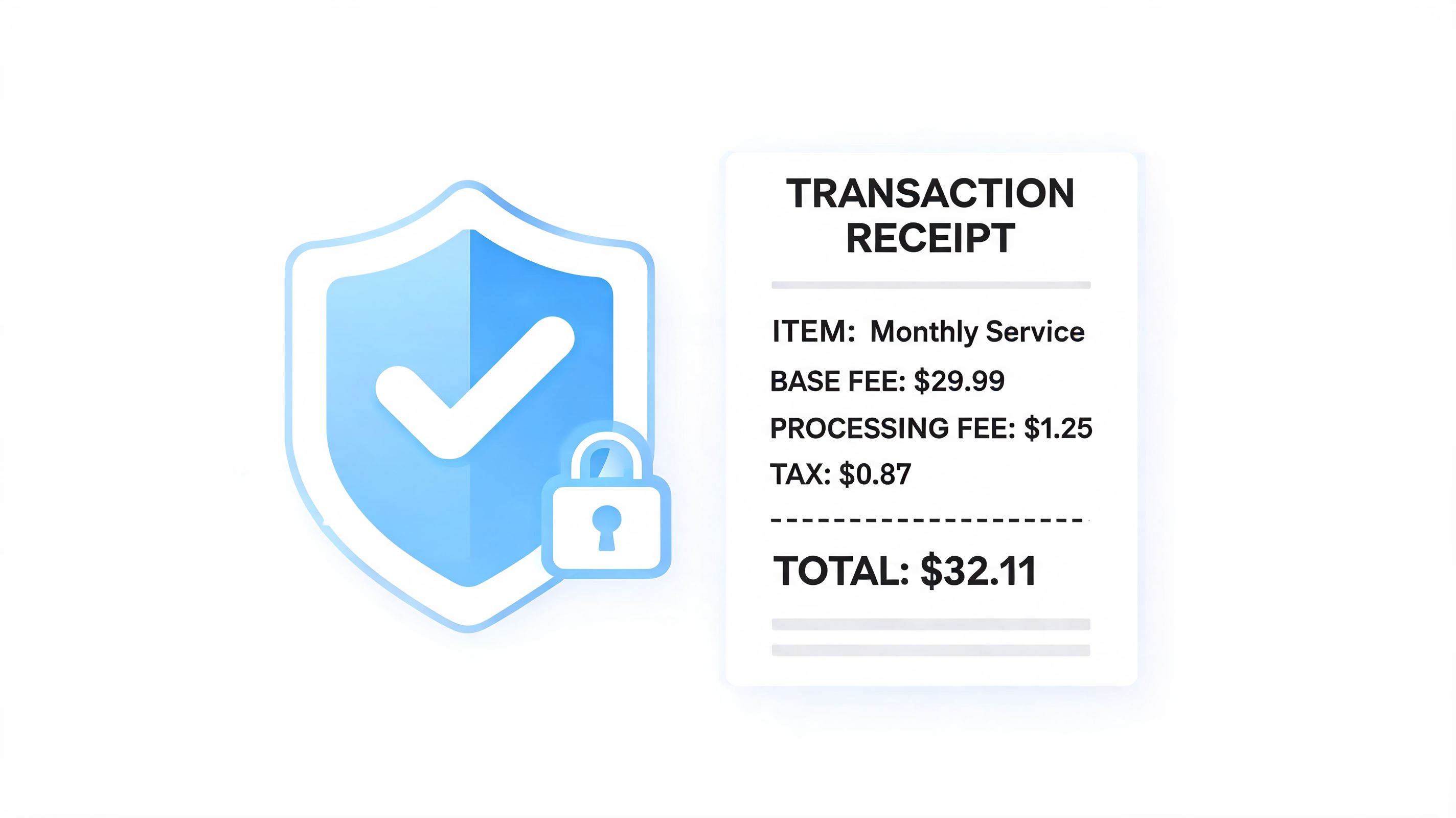
In a proper exchange by shopify transaction, payment protection and transfer sequencing matter more than shaving a little friction out of the process. Buyers want confidence that they won't release funds and then chase missing assets. Sellers want confidence that they won't hand over the business and wait on payment promises.
Why escrow matters
Escrow sits in the middle so neither side has to rely on trust alone.
The basic logic is simple. The buyer sends funds to escrow. The seller completes the agreed transfer steps. Once the conditions are met, funds are released. That structure protects both sides from the two worst outcomes in small business transactions: paying too early or transferring too early.
If you're new to deal process, it also helps to read a broader practical guide to M&A due diligence so you understand how financial review and transfer risk connect before the purchase agreement is signed.
Security work starts before closing
A secure handover isn't only about payment. It's also about access control.
Before closing, both sides should identify every account that touches the business: Shopify admin, domain registrar, email service provider, Meta accounts, Google assets, supplier portals, and any operational apps. Right after transfer, the buyer should rotate credentials, review staff permissions, and tighten store security. This checklist on security tips every Shopify merchant should know is useful for the immediate post-transfer phase.
A clean transfer usually includes:
- Account inventory: Every login, owner permission, billing tie, and recovery email
- Ownership changes: Domains, inboxes, app billing, payment settings
- Access revocation: Remove former staff and legacy contractors promptly
- Verification trail: Keep written confirmation of each transferred asset
Security mistakes after acquisition are rarely dramatic. They're usually quiet. An old contractor still has access, billing stays tied to the seller, or the recovery email never gets changed.
That's why disciplined process beats speed.
Your Post-Acquisition Success Plan
Most buyers spend all their energy getting the deal done, then drift through the first month. That's where value leaks.

The first 90 days should focus on control first, improvement second. You don't need a rebrand on day three. You need clean operations, stable customer experience, and a list of changes ranked by impact.
Days 1 through 30
Take ownership of the systems before you try to grow the business.
Start by auditing access, documenting recurring tasks, and confirming that order flow, support flow, and fulfillment flow match what the seller described. Review the app stack. Some apps are carrying critical workflows. Others are just legacy clutter.
Then move to customer friction. If buyers can't self-serve basic post-purchase changes, support load rises fast after an acquisition because the new owner is still learning the business. Look closely at order-editing pain points, address changes, cancellation requests, and post-purchase merchandising opportunities.
The fastest wins after acquisition usually come from fixing routine operational friction, not from redesigning the homepage.
Days 31 through 60
Once the business is stable, start tightening the commercial engine.
Review product pages, merchandising logic, and the post-purchase experience. New owners who implement operational improvements such as customer self-service order editing and post-purchase upsells can increase net profit by an average of 25% within the first six months, according to SelfServe's post-acquisition case study.
That kind of gain doesn't come from one magic app. It comes from reducing support drag, recovering revenue that would otherwise be lost, and making the store easier to operate.
A useful checkpoint at this stage:
- Support inbox review: What requests repeat constantly?
- Order-change workflow: Can customers fix small mistakes without opening a ticket?
- Upsell timing: Are there clean opportunities after checkout?
- Localization: If the business sells internationally, is the post-purchase experience usable across languages?
For a practical visual walkthrough, this video is worth a look before you map your own workflow changes.
Days 61 through 90
Now you can start making higher-confidence growth decisions.
At this point, you should know which products carry margin, which support issues waste time, and which customer steps create leakage. That allows you to prioritize experiments that fit the business you bought, not the business you imagined during due diligence.
Focus on three outcomes:
- Reduce avoidable support work
- Improve post-purchase revenue capture
- Document the new operating rhythm
The buyer who does this well ends up with a cleaner asset than the one they acquired. That matters whether the goal is long-term cash flow or a later resale.
How Exchange Compares to Other Marketplaces
General business marketplaces can be useful. They cast a wide net, bring in buyers from different backgrounds, and often include many asset types in one place.
But if the asset is a Shopify business, exchange by shopify has one clear advantage: platform relevance.
A Shopify-native marketplace is closer to the operating reality of the asset being sold. Buyers evaluate a Shopify store in a Shopify context. Sellers speak to buyers who already understand themes, apps, fulfillment setups, and the difference between a store with a clean backend and one held together by founder memory.
Where Exchange stands out
Compared with broad marketplaces, Exchange tends to be stronger when you care about:
- Platform-specific trust: The marketplace is built around Shopify businesses rather than every online asset category.
- Cleaner buyer fit: Buyers are usually already comfortable with the Shopify ecosystem.
- More practical transfer expectations: The handover revolves around a store, its operations, and its supporting assets.
Where buyers and sellers still need discipline
No marketplace removes the need for judgment.
A Shopify-native environment can improve trust and context, but it won't do due diligence for you. It won't solve weak documentation, hidden operational burden, or a sloppy transition plan. Those are still human problems, and they still decide whether the acquisition works.
If you're buying, think beyond the listing. If you're selling, prepare for inspection. That's how exchange by shopify becomes a good transaction instead of just a convenient one.
If you've bought a Shopify store and want faster operational wins after closing, SelfServe helps reduce support workload and improve post-purchase revenue with customer self-service order changes, multilingual experiences, and built-in upsell flows. It's a practical next step when you want the new business to run cleaner from day one.